

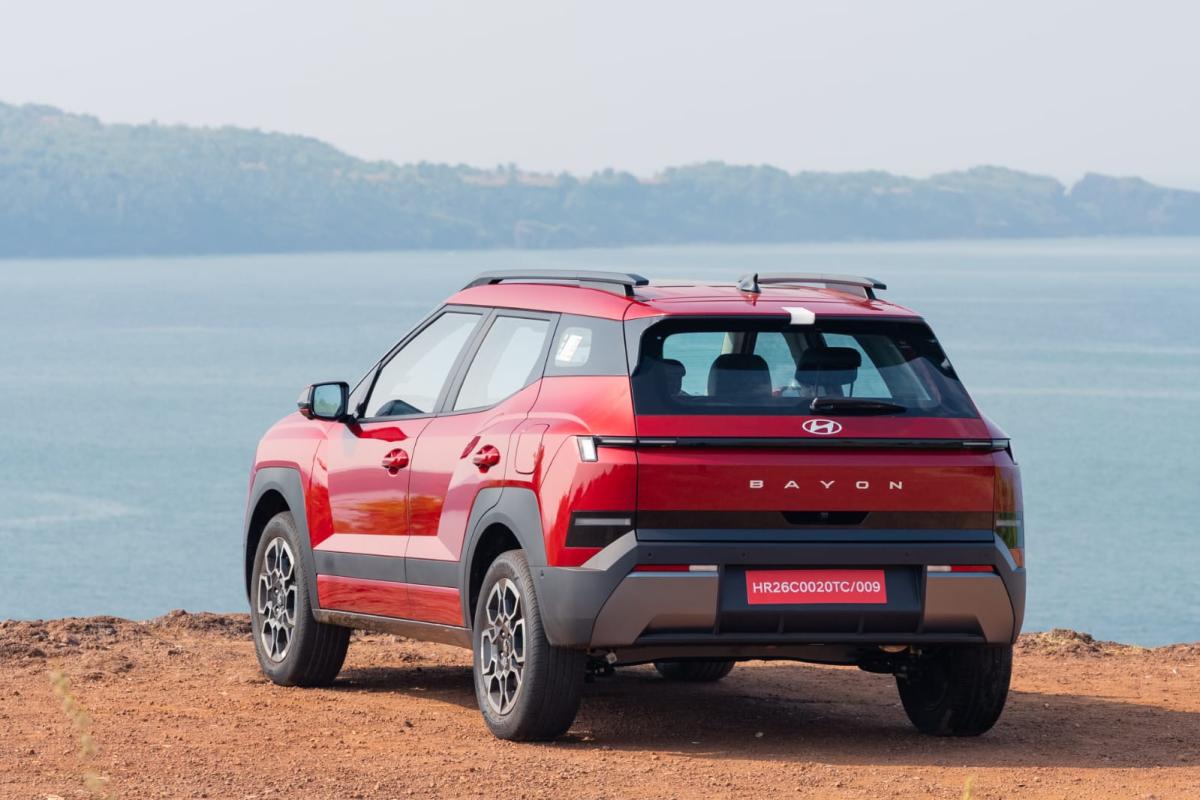
Who will buy Hyundai Bayon
As reviews for the Hyundai Bayon surface, the assessment is that this car may struggle to capture a significant share in the mid-size SUV market. Unlike upright, boxy SUV-styled models like the Venue and Creta, it looks more like a European-style crossover SUV.
BAYON ENGINE
Models that became hits in the Mid Size SUV market all offer options like turbo-petrol, hybrid, diesel, or CNG in addition to a standard petrol engine. The Bayon offers only a standard naturally aspirated petrol engine. The Honda Elevate is a similar model in this regard, and its sales remain low. Skoda and Volkswagen models featuring only turbo-petrol engines also see low sales numbers, and Renault and Nissan models face the same fate. Whether the Bayon will share the same trajectory remains to be seen.
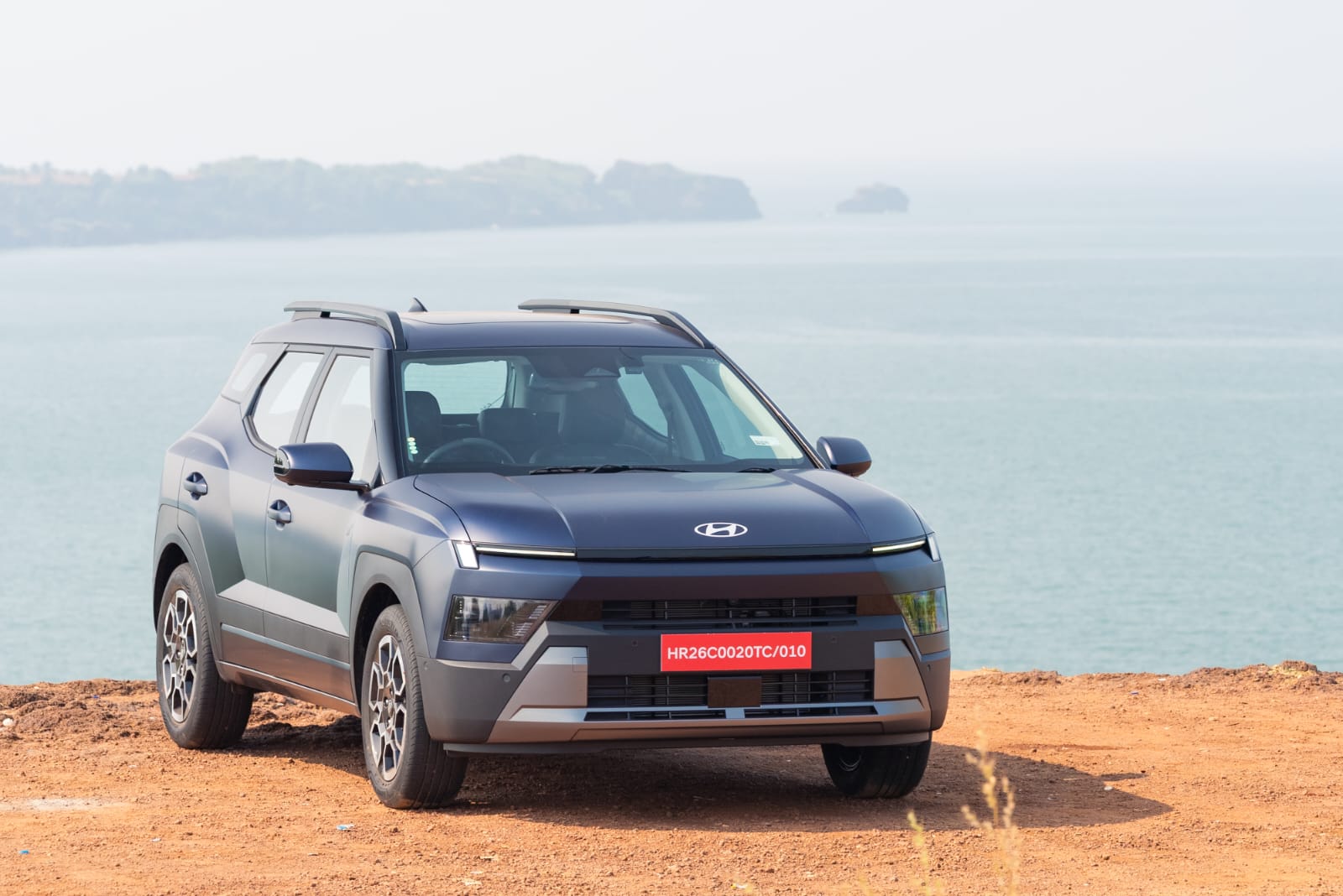
The 1.5-litre, 4-cylinder naturally aspirated petrol engine (115 PS / ~144 Nm) of Bayon, paired with either an iVT (CVT) automatic or a 6-speed manual gearbox, is remarkably smooth. It delivers effortless city driving and relaxed cruising on highways. This engine and transmission setup is also far more reliable than complex turbos.
For those who desire punchy, instant power—especially when fully loaded or during high-speed highway overtakes—this naturally aspirated engine may leave them wanting more.
Mileage: The company claims 17.2 km/l for the manual and 18.6 km/l for the CVT. In reality, expect it to hover between 10–14 km/l. Buyers seeking high fuel efficiency should wait until a CNG model arrives.
BAYON PRICE
It is not cheap. Given the high pricing of the top variants, buyers are more likely to prefer larger SUVs like the Creta and Seltos. The market has already acknowledged that the new Seltos is a standout package in every respect, and the upcoming new Creta will likely be the same. Both share the same platform, offer identical creature comforts, and provide petrol, turbo-petrol, and diesel engine options.
The Bayon delivers the most value in its mid-spec manual and automatic variants (around ₹12–15 lakh). At higher trim levels, however, its appeal drops when compared against full-fledged mid-size SUV rivals.
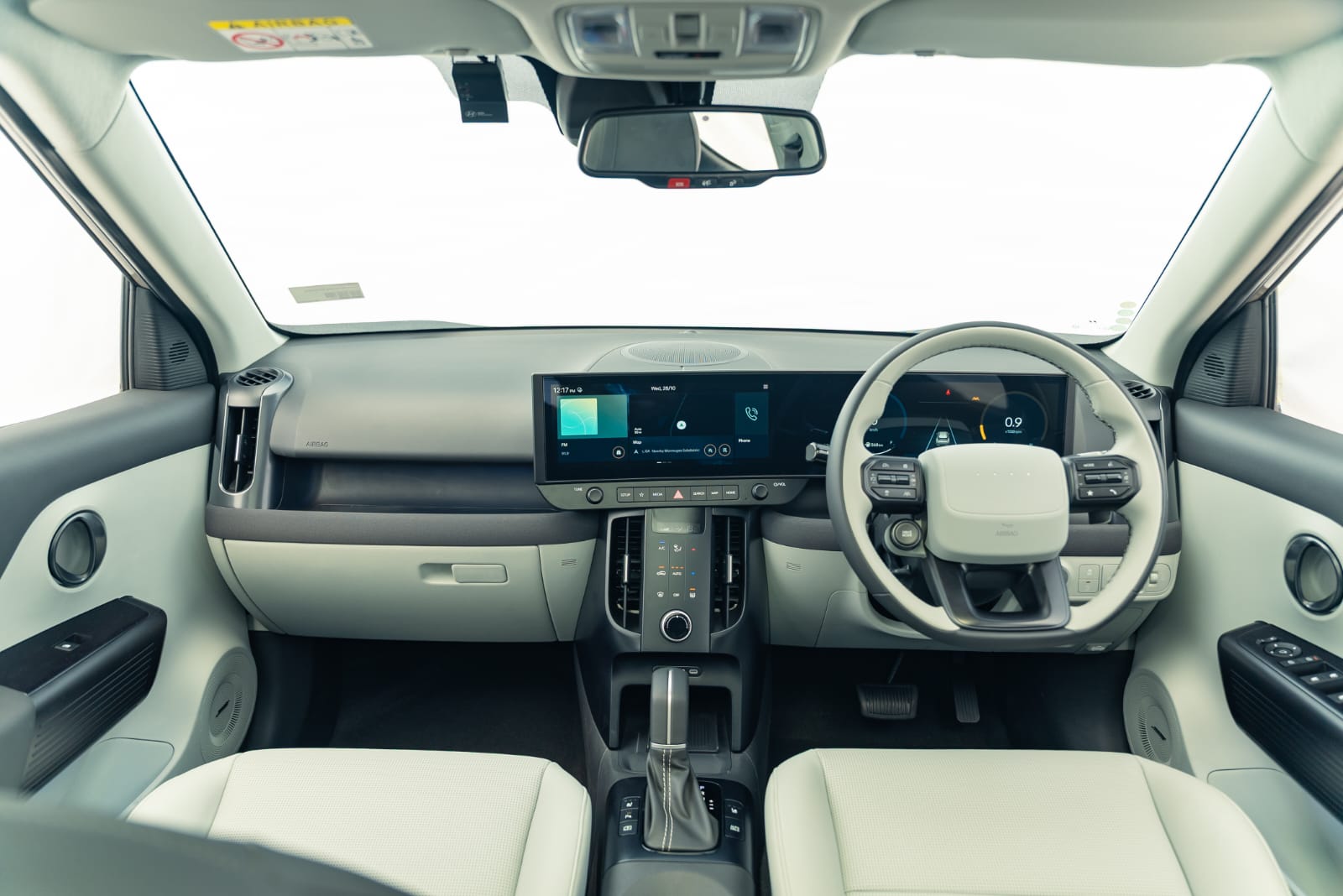
BAYON PROS
* Cabin: Interior ergonomics, fit, and finish are major highlights. Top variants receive a premium curved panoramic display (twin 12.3-inch screens for the instrument cluster and infotainment), a generative AI voice assistant, a Bose audio system, and Level 2 ADAS safety tech.
* Boot Space: Offering 505 litres of boot capacity (measured to the roofline) and standard 60:40 rear split-folding seats, it accommodates plenty of luggage.
* Ride and Handling: The suspension tuning combined with generous ground clearance (205 mm) handles potholes and rough patches on Indian roads with ease. It maintains solid stability even at higher cruising speeds.
BAYON CONS
* Rear Seat Comfort: While legroom is adequate, the sloping roofline can feel tight on headroom for passengers taller than 6 feet. Seating three adults across the rear bench is also cramped.
* Hard Plastics on Top Trims: While switchgear and surface panels feel sturdy, the extensive use of hard plastics across the lower dashboard and door trims feels low-rent for a car priced at ₹16–18 lakh.
* High Loading Lip: The cargo floor is deep, but the elevated rear bumper lip requires extra effort when lifting in heavy luggage.
BAYON PRICE LIST
Manual Variants:
* HX 2 MT: ₹9,99,900 (Base Model)
* HX 3 MT: ₹10,89,000
* HX 3+ MT: ₹11,79,900
* HX 5 MT: ₹12,44,900
* HX 6 MT: ₹13,57,000 (Dual-Tone Option: ₹13,72,000)
* HX 8 MT: ₹15,10,000 (Dual-Tone Option: ₹15,25,000)
* HX 10 MT: ₹16,65,000 (Dual-Tone Option: ₹16,80,000)
Automatic (iVT / CVT) Variants:
* HX 5 CVT: ₹13,85,000 (Dual-Tone Option: ₹14,00,000)
* HX 6 CVT: ₹14,97,000 (Dual-Tone Option: ₹15,12,000)
* HX 8 CVT: ₹16,54,000 (Dual-Tone Option: ₹16,69,000)
* HX 10 CVT: ₹18,00,000 (Top Model Dual-Tone: ₹18,15,000)
RELATED STORIES
OPPO India Launches F35 Series, India’s Group Self...

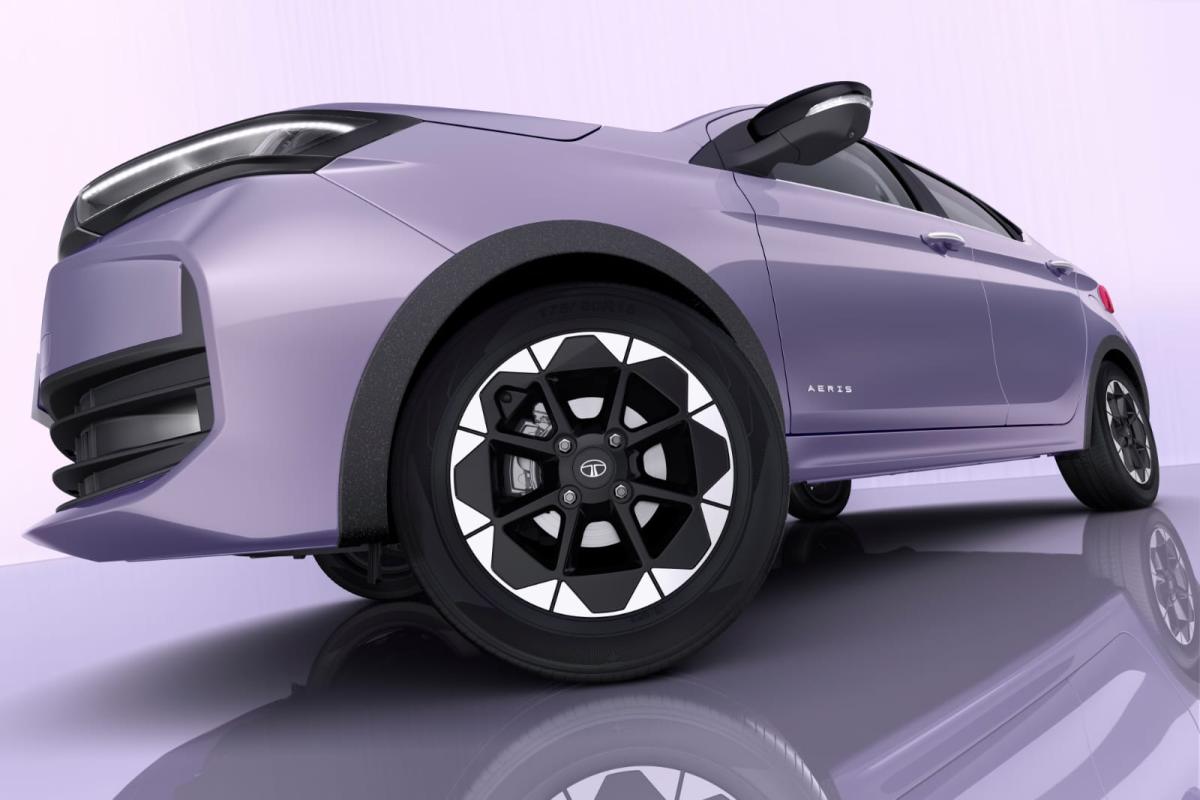
Tata Motors launched Aeris compact Sedan
MG Hector Tomahawk EV and PHEV launched
Maruti Suzuki becomes the first passenger vehicle...

Honda launches Ethanol- friendly scooter ADV160 @...
When Maruti copied Hyundai N Line
Maruti Brezza turbo-petrol launched at Rs 7.40 lak...
One more electric car to the mass market; Kia Syro...
These Electric cars are now cheaper in Keralam

Ethanol to Hybrid: Confusion Galore

Indian-made Kia Sonet sold in Africa gets just one...

SUV with Panoramic Sunroof at a price below 10 lak...

Merc launches CLA BEV SEDAN at 55 lakhs

BAJAJ Pulsar 180 is Back!

BS-VII Emission Norms from 2027: Impact on CNG Veh...

Buying Electric Cars in Karnataka is No Longer Pro...

VINFAST OPENS BOOKING FOR VF MPV 7 IN INDIA

Indians are swapping epic annual trips for smart,...

Mumbai Air Travel at Lower Costs: The Benefits of...

Reporter TV in Legal Crisis

Honda's last chance in India

RENAULT DUSTER IS HERE, AGAIN

Red Signal to Maruti Suzuki Ignis? Production Stop...

TWINNING CARS: The Surge of Twins in the Car Marke...

Yamaha Introduces XSR155 in ‘Metallic Black’ shade

Google Pixel 10a: Premium AI in under-50k Smartph...

More PUNCH!

E-Vitara Pricing and Maruti’s Hide-and-Seek

Airplane-Rickshaw

Honda's New Dio and Shine

Mid-Size SUV Buying Guide: What You Need to Know

Renault DUSTER Comes Back

Skoda Kushaq gets facelift

Realme 16 Pro Series Debuts

Mahindra launches XUV 3XO ELECTRIC CAR

Mahindra launches XUV 7XO -the successor of XUV 7O...

Toyota to stop Innova Crysta Next Year

All-New Kia Seltos comes at 10.99 lakhs

Renault Kwid, Kiger, Triber to be costlier

NISSAN GRAVITE COMING SOON

Don't Buy Tata Sierra Without Reading This

Hyundai to launch NEW VENUE SUV on 4th November

Noise launches Master Buds Max with Sound by Bose

Mercedes-Benz launches G450d, the G-Class Diesel

New Mahindra Thar @ 9.99 lakhs

Citroen Aircross XSmart

New Mahindra Thar @ 9.99 lakhs

Kinetic Green Unveils E Luna Prime: Revolutionary...

Toyota Rumion gets 6 airbags as standard

Toyota's Ertiga gets 6 Airbags

Bentley, brought by Skoda

Skoda Auto Volkswagen India Private Limited (SAVWI...
